Jewish Reggio Inspired Early Childhood Curriculum

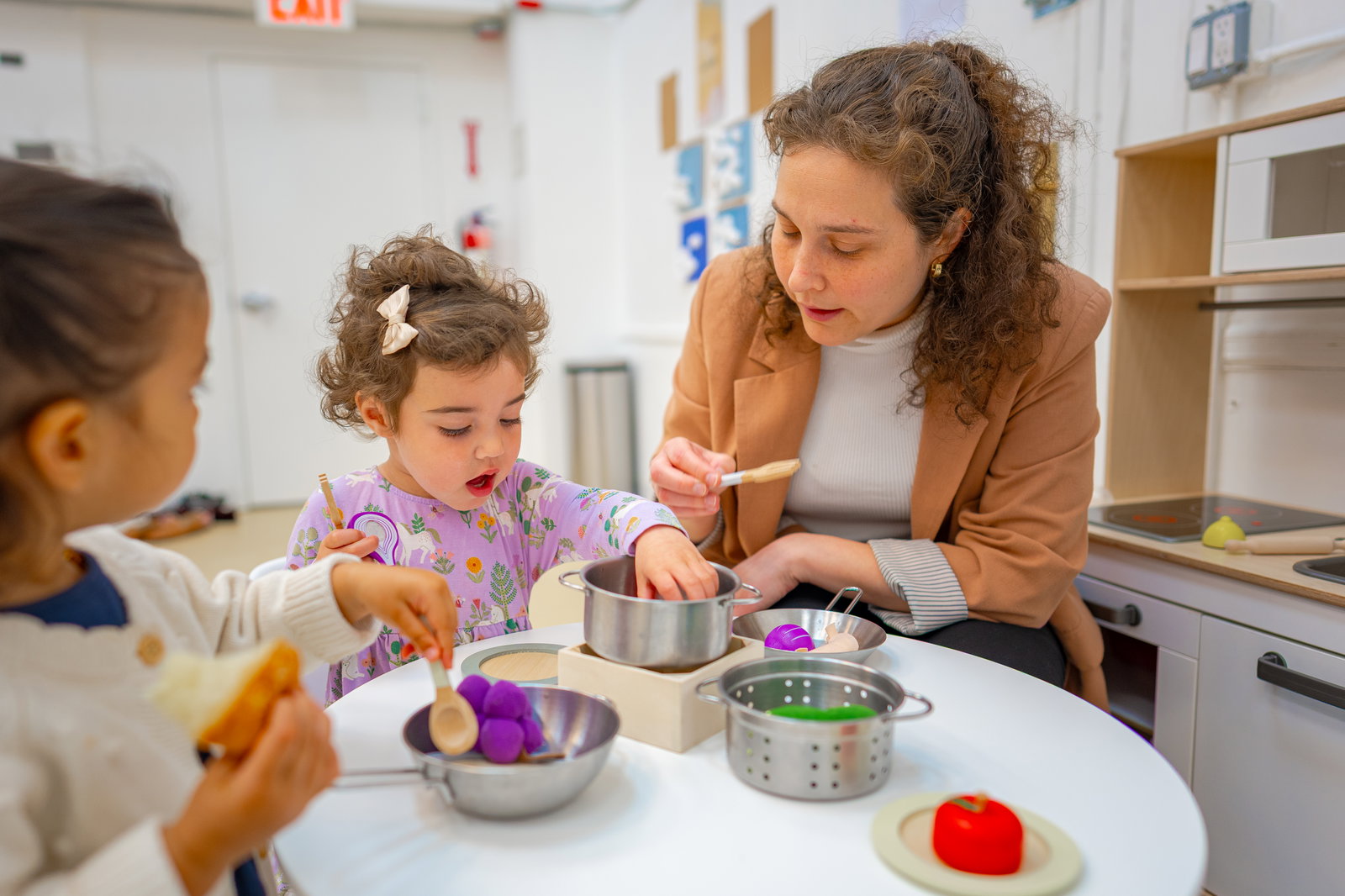
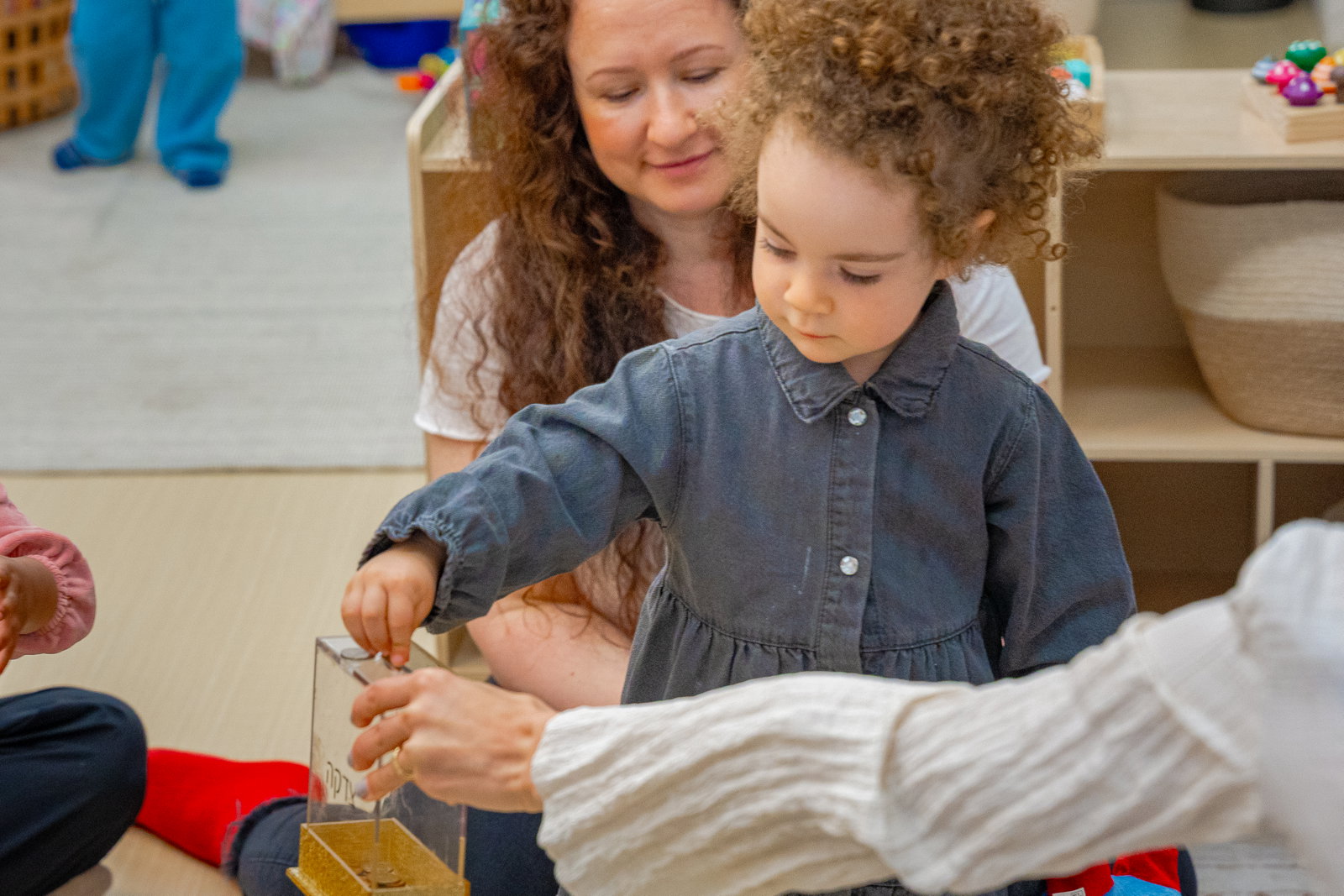
The Jewish Reggio Inspired Curriculum promotes meaningful, child-centered experiences that actively engage children. It is grounded in the belief that children are inherently good, intelligent, and expressive. It views children as capable beings who take an active role in their own development. Respecting children and encouraging their independence are central tenets. Choice in both play and learning is prioritized, supported by uninterrupted blocks of playtime in which planned activities are seamlessly integrated. Each activity is designed to allow space for children’s creativity, with an emphasis on listening to children rather than instructing them directly.

The Importance of Process

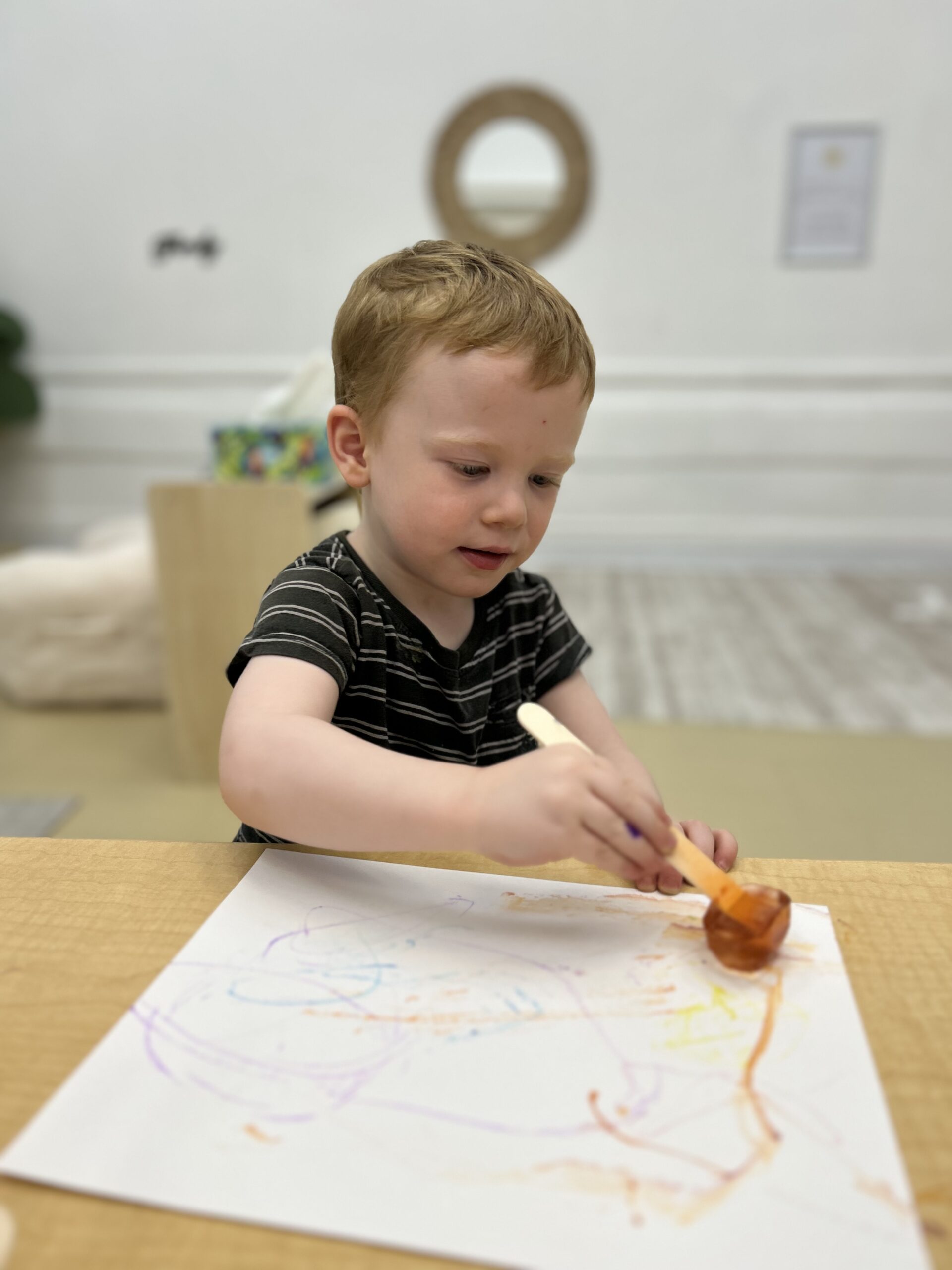
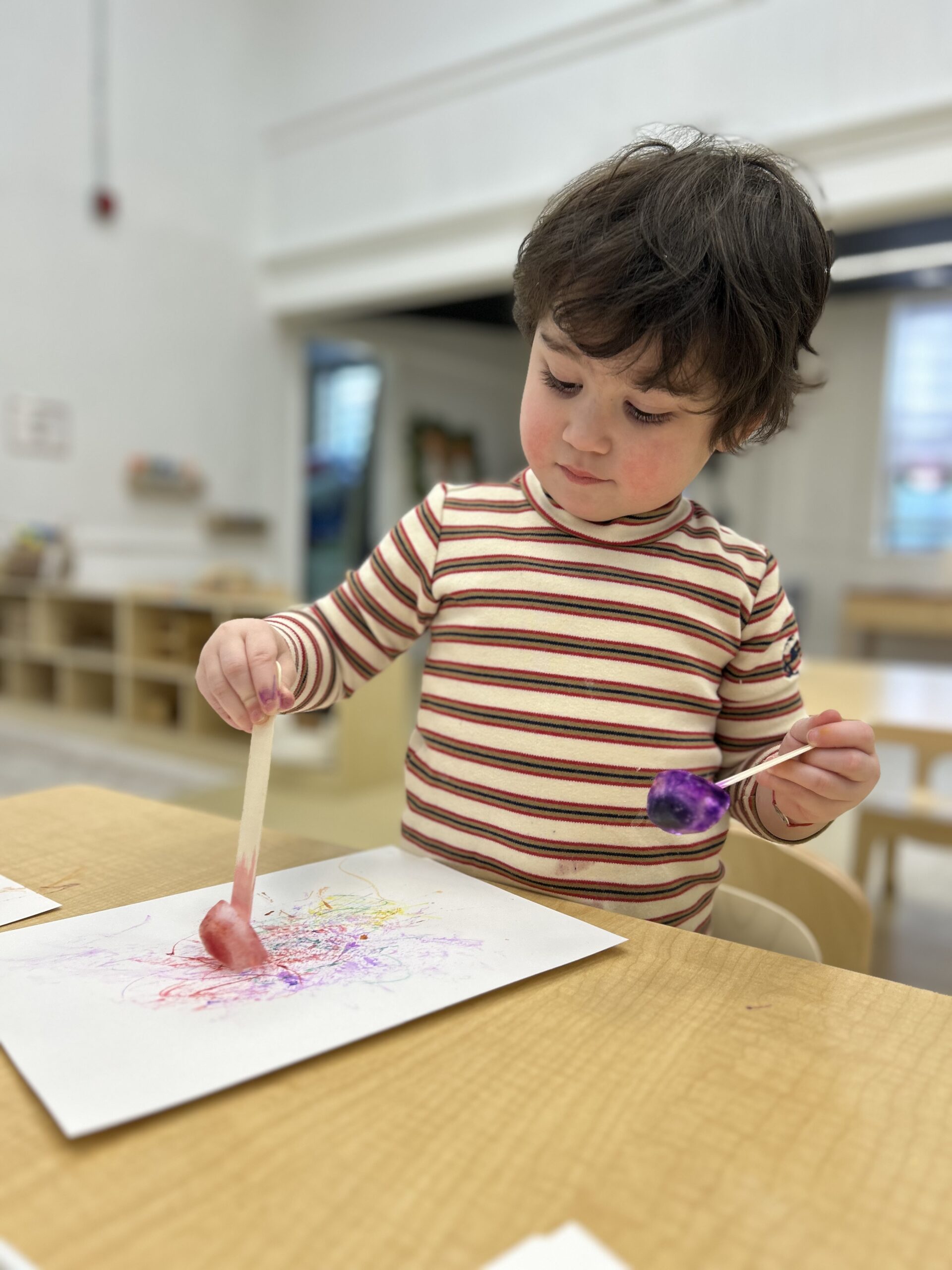
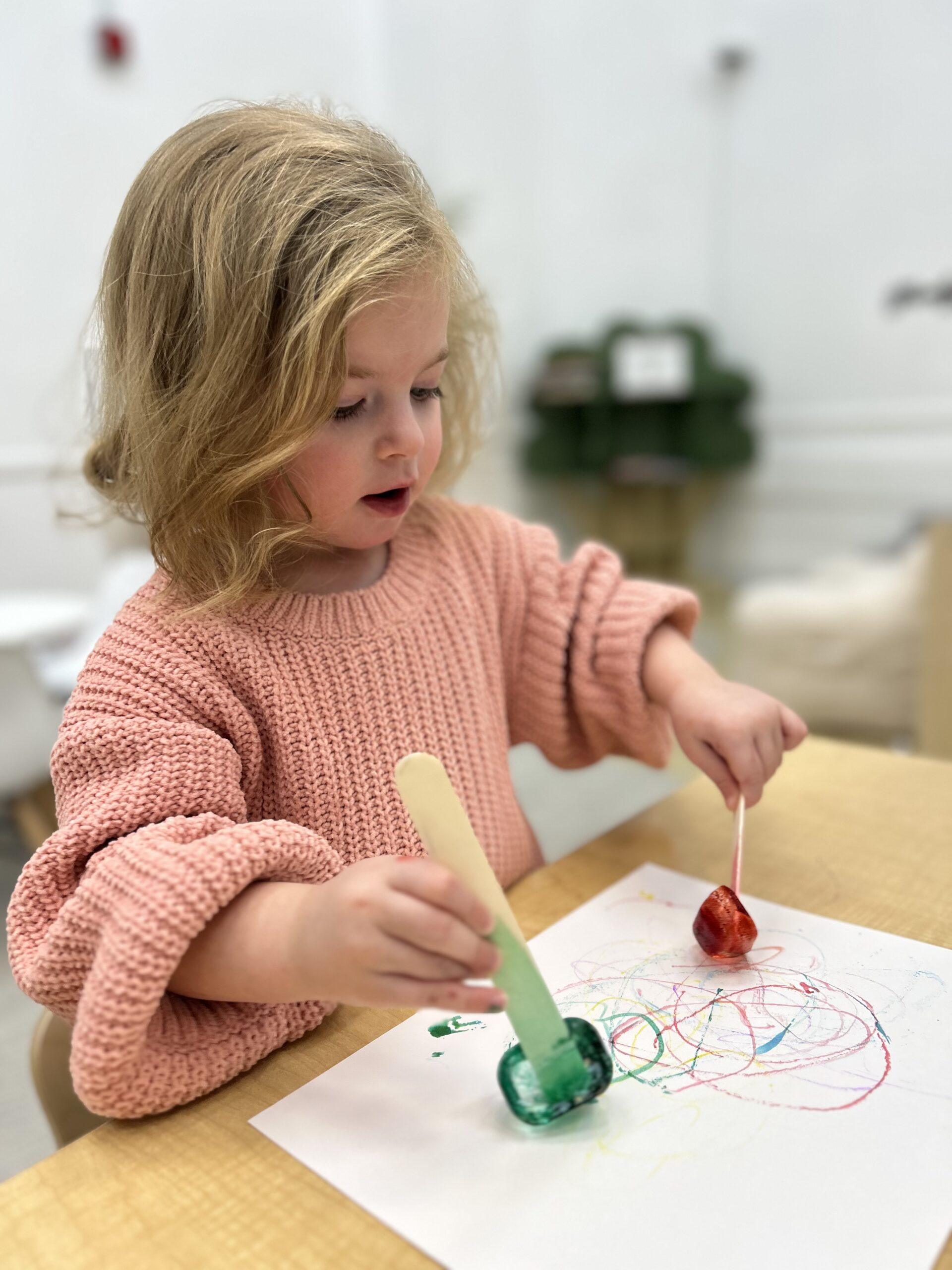
This curriculum promotes a focus on the process rather than the product.

Each activity is approached with the question: What experience is the child having through this activity? What skills are being developed through their engagement with the materials?

The outcome is considered secondary to the experience and engagement. Skill development is embedded throughout the day and supported by the teacher through carefully designed provocations and scaffolding.

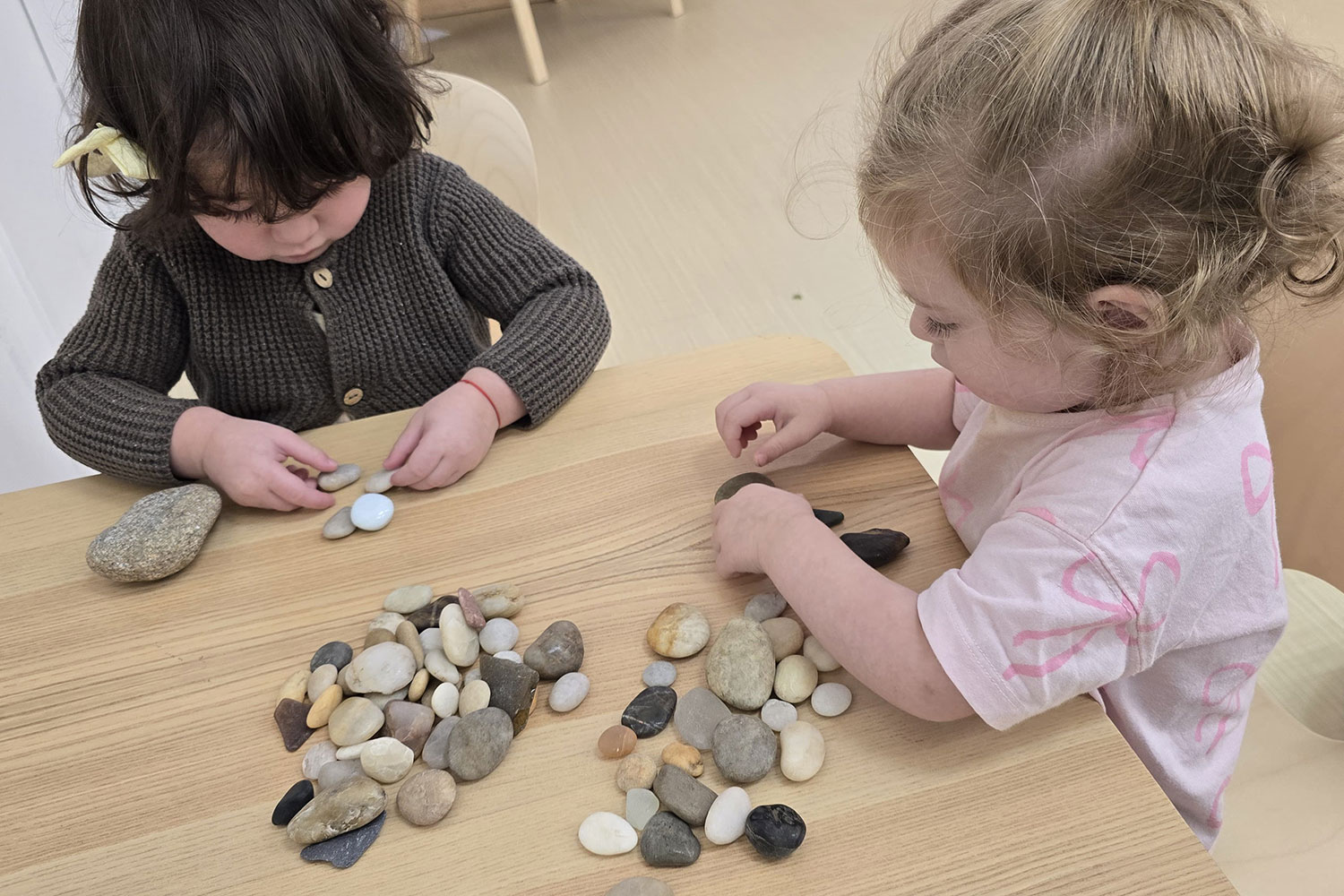
Open-Ended, Play-Based Learning

  • This curriculum promotes open-ended activities with no predetermined outcomes.
  • Skills such as confidence, curiosity, creativity, and collaboration are valued alongside academic development.
  • Academic learning is integrated naturally through hands-on, play-based experiences connected to broader themes of exploration.
  • Children are encouraged to experiment, create, and engage in problem-solving.

Integrated Learning Through a Jewish Lens

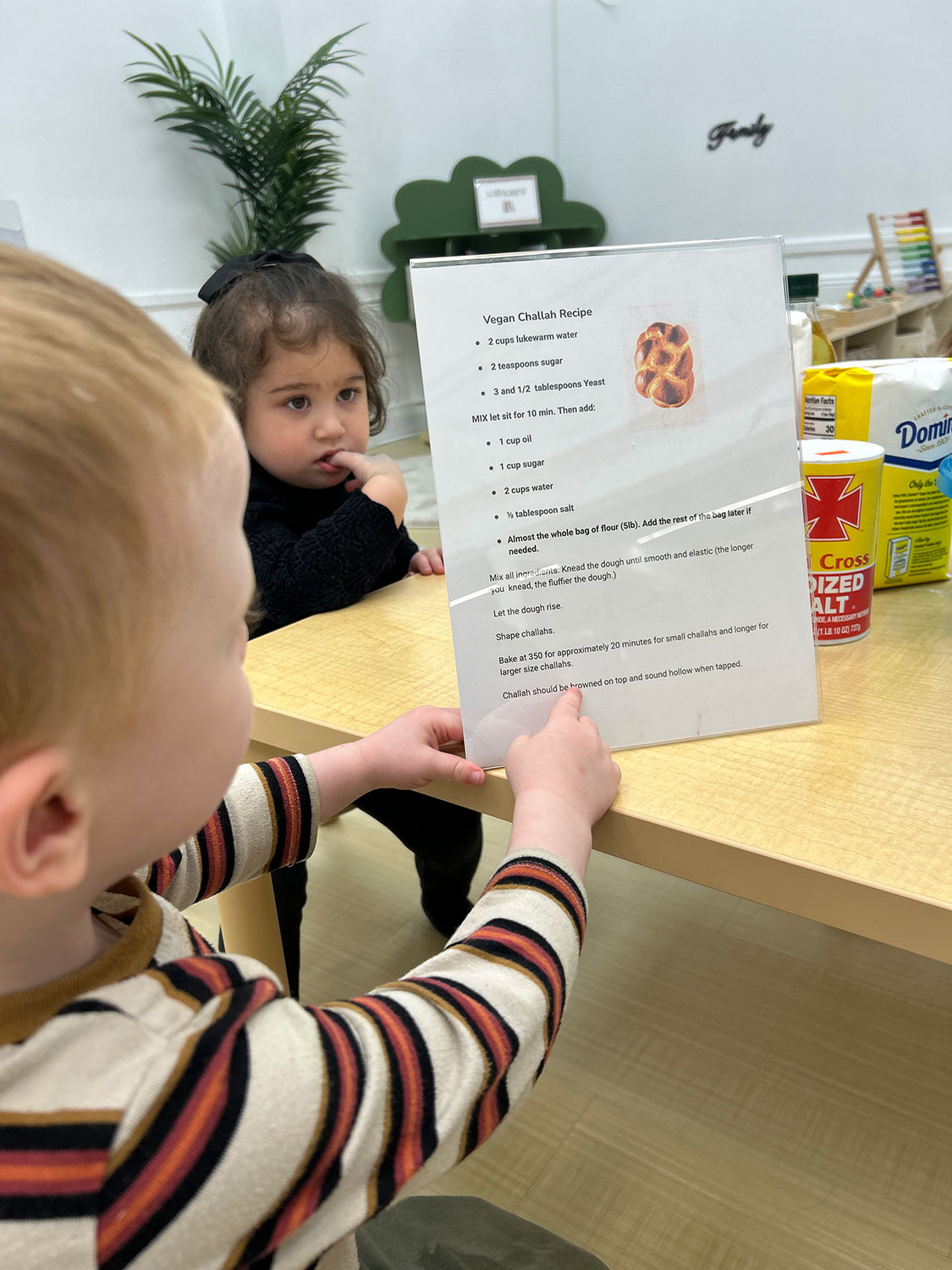
  • This curriculum promotes seamless integration of Jewish and general topics to support exploration.
  • Judaic concepts are embedded within high-quality, educationally rich experiences.
  • Themes such as seasons, science, and literacy are explored through a Jewish lens, offering children meaningful connections to their heritage while engaging in broader learning.
  • This integration allows Judaism to be experienced as a living and dynamic part of everyday life.

Multiple Forms of Expression

This curriculum promotes the understanding that children express themselves in diverse ways. A wide variety of activities are provided to support development across all domains.

Planned lessons consistently include opportunities for:

  • Creative and Expressive Arts Development: Art, Music, Dramatic Play
  • Cognitive Development: Science, Math
  • Language and Literacy Development
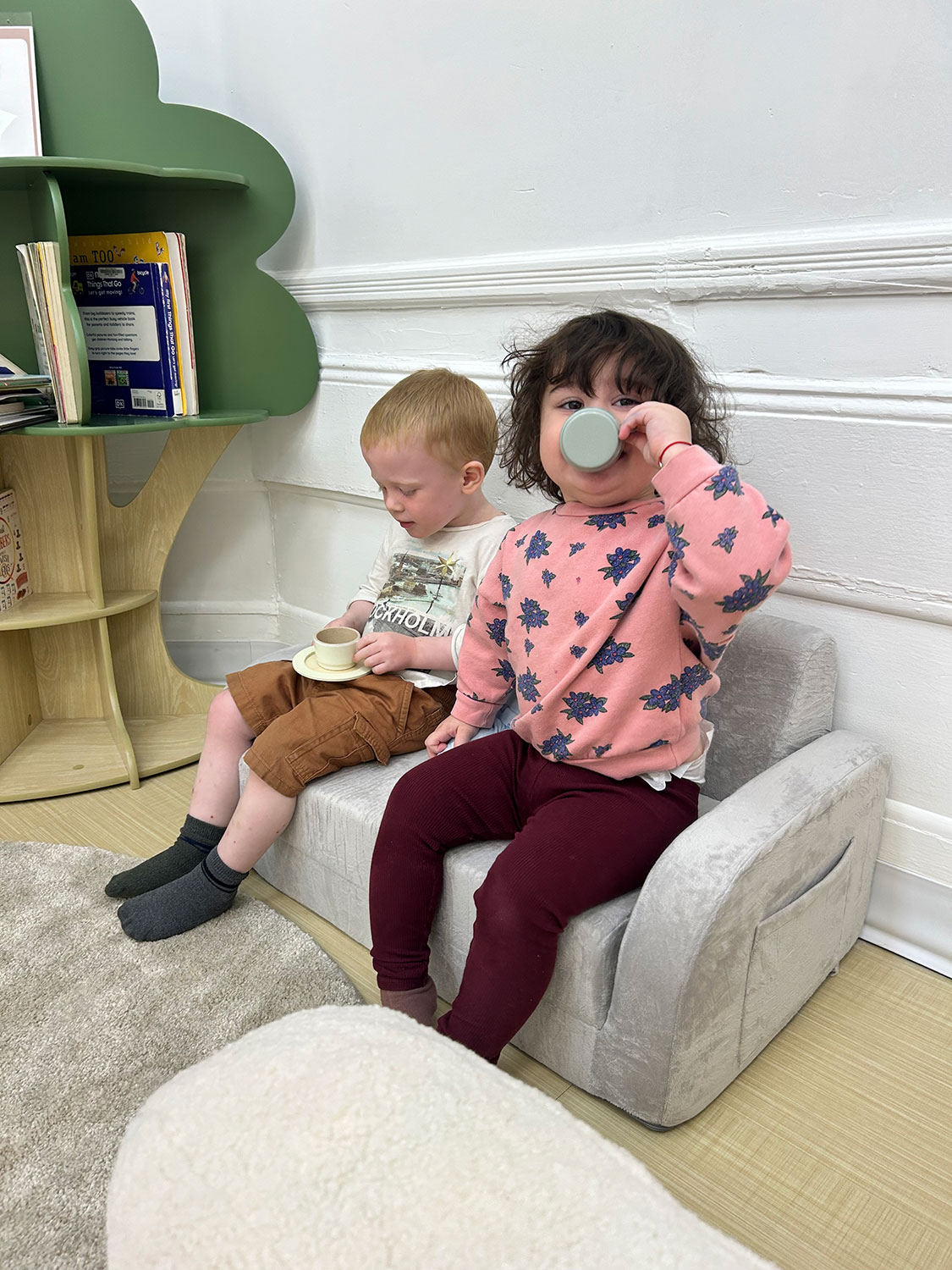
  • Social-Emotional Development: Dramatic Play, Social-Emotional Learning
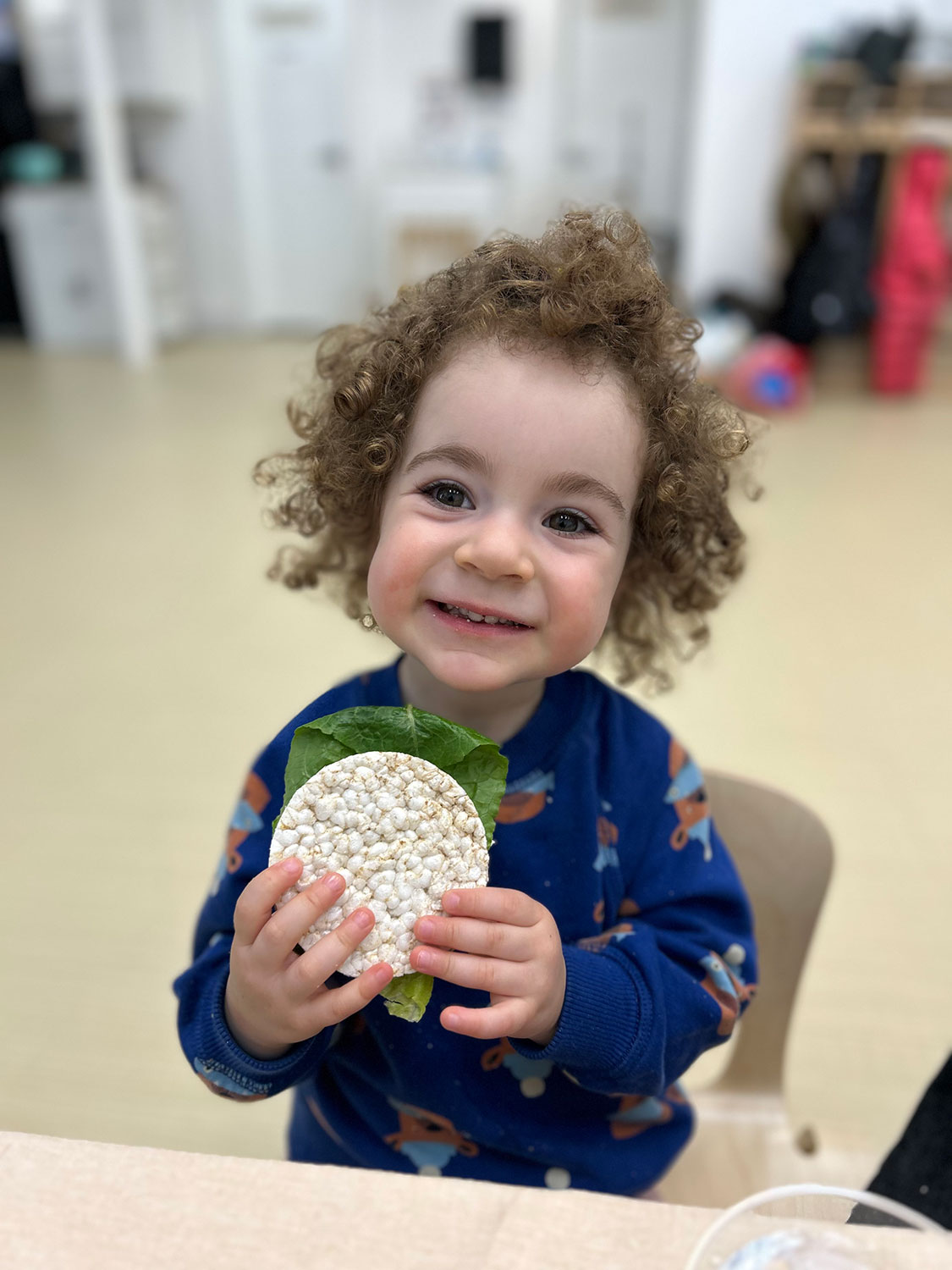
  • Physical Development: Gross Motor Skills, Fine Motor Skills, Self-Help Skills, Music & Movement, Practical Life Skills
  • Sensory Development: Sensory Play

All developmental areas receive equal focus and intentional support.

Social-Emotional Learning as a Foundation

  • This curriculum promotes social-emotional learning as a foundational aspect of early childhood development.
  • Children are supported in developing independence and the ability to collaborate with peers.
  • They learn to recognize, validate, and regulate emotions through a variety of experiences.
  • Multiple opportunities are provided for peer interaction and mutual learning, with a strong emphasis on kindness, inclusivity, and community.

The Role of the Environment

  • This curriculum promotes the learning environment as a vital component of the child’s experience.
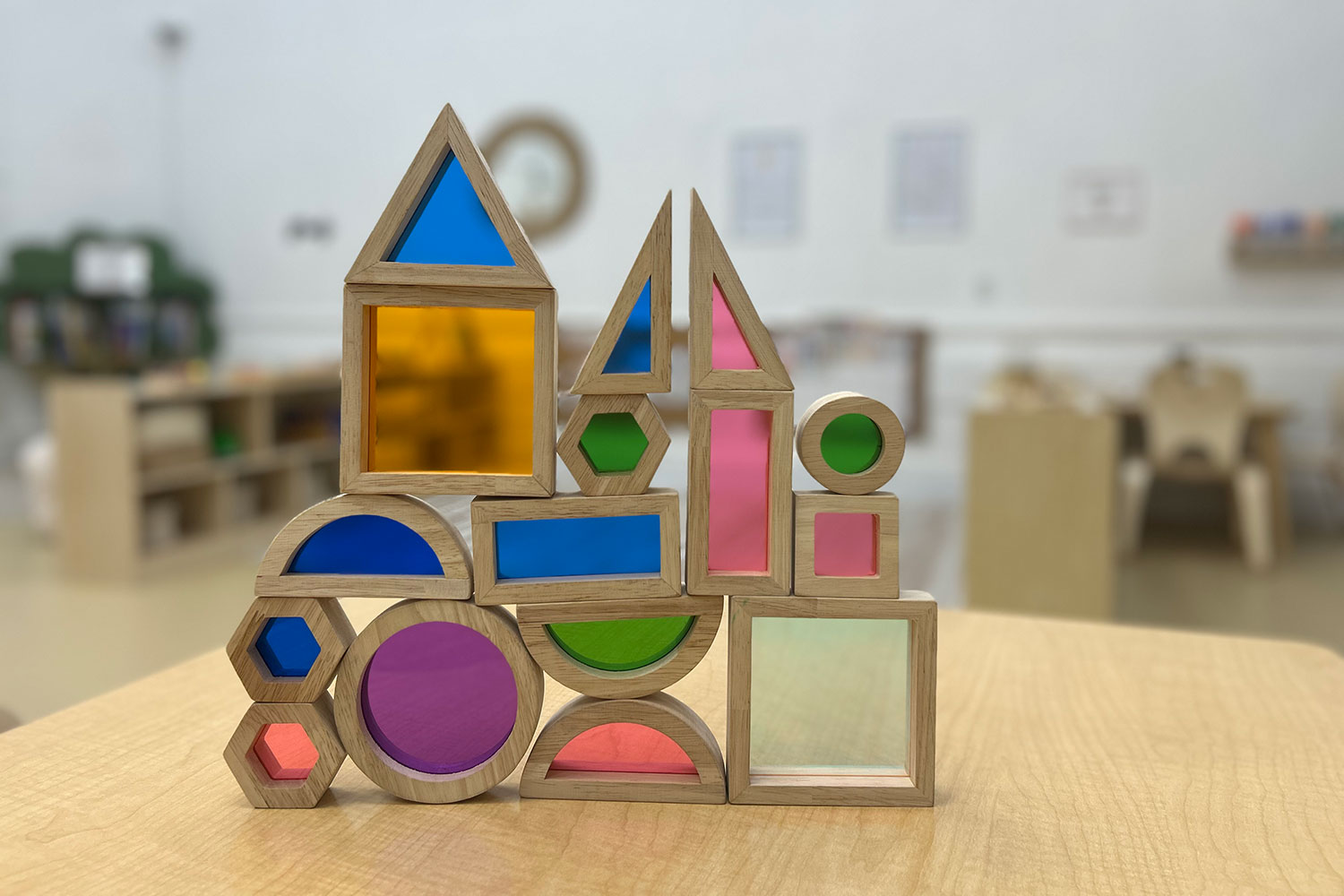
  • Classrooms are designed to be organized, natural, child-accessible, and aesthetically pleasing.
  • Provocations are used in place of traditional frontal teaching, with materials made available to children to encourage autonomy.
  • The environment is intentionally arranged to foster exploration, calm, focus, creativity, and self-directed learning.
  • Teachers guide and deepen learning by offering open-ended questions and introducing new provocations.

Parent Involvement

  • This curriculum promotes active partnership with parents as essential members of the learning community.
  • Ongoing communication and opportunities for participation in the classroom are consistently encouraged.

Developmental and Academic Growth

  • This curriculum promotes developmental and cognitive growth through meaningful, hands-on experiences.
  • Skills are naturally embedded and practiced through play and exploration.
  • Because learning is aligned with children’s interests and developmental stages, growth is deep, lasting, and well-rounded.

Skills Developed Through This Curriculum

In addition to cognitive development, this curriculum promotes growth in: Confidence, Curiosity, Collaboration, Problem Solving, Self-Regulation, Emotional Awareness.